


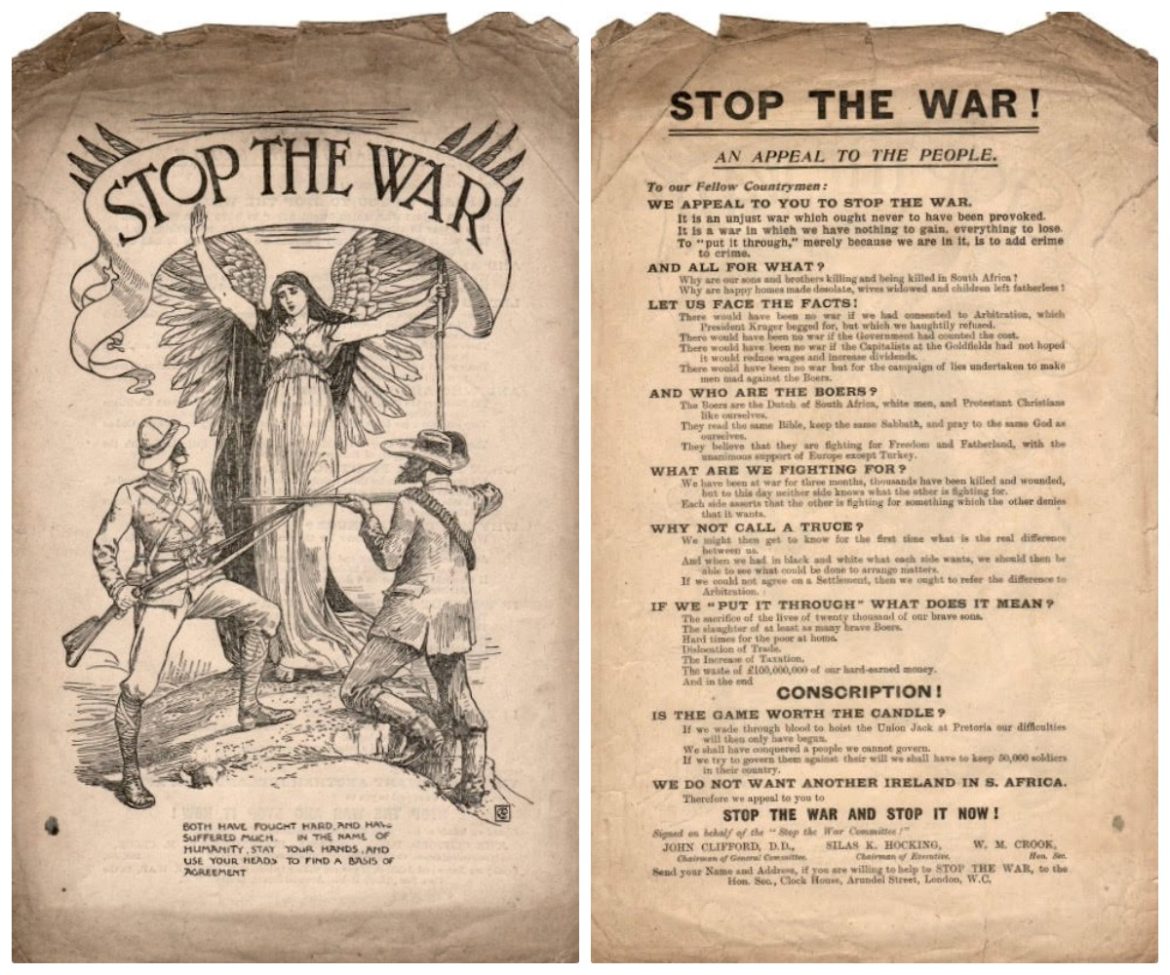
During the Second Boer War (1899–1902), the Boer Republics (South African Republic and Orange Free State) fought primarily against the British Empire. While the Boers received limited formal support from sovereign nations, several countries and groups provided varying degrees of assistance, mostly through volunteers, supplies, or diplomatic sympathy. Below is a concise overview of countries and entities that supported the Boers, based on historical records.
Countries with Notable Involvement
- Netherlands:
- Support Type: Volunteers, diplomatic sympathy, and moral support.
- Details: The Netherlands, sharing linguistic and cultural ties with the Boers (Afrikaners), provided significant sympathy. Dutch volunteers, numbering around 2,000, joined Boer commandos, organized as the Hollandsche Korps. The Dutch government, while officially neutral, allowed fundraising and recruitment efforts. Queen Wilhelmina expressed private support for the Boer cause.
- Impact: Volunteers bolstered Boer ranks, though their military impact was limited.
- Germany:
- Support Type: Volunteers, limited material aid, and diplomatic pressure.
- Details: Kaiser Wilhelm II was sympathetic to the Boers, and German public opinion strongly favored them. About 500–1,000 German volunteers fought alongside the Boers, including notable figures like Count von Zeppelin. Germany supplied some arms before the war (e.g., Mauser rifles), but neutrality laws restricted official aid during the conflict. The Kaiser’s telegram to Paul Kruger after the 1896 Jameson Raid (pre-war) boosted Boer morale.
- Impact: Symbolic support pressured Britain diplomatically but lacked substantial material aid.
- France:
- Support Type: Volunteers and public sympathy.
- Details: French volunteers, around 400–500, joined the Boers, motivated by anti-British sentiment and republican ideals. Notable figures included Colonel Georges de Villebois-Mareuil, who led the Légion Étrangère within Boer forces until his death in 1900. French public opinion was pro-Boer, but the government remained neutral to avoid antagonizing Britain.
- Impact: Volunteers provided skilled fighters, but numbers were small.
- Russia:
- Support Type: Volunteers and diplomatic sympathy.
- Details: Russian volunteers, estimated at 200–300, fought with the Boers, including Cossacks and officers like Yevgeny Maximov. Russia’s rivalry with Britain (Great Game) fueled public support, but official aid was minimal due to neutrality. Some medical support, including Russian Red Cross units, reached the Boers.
- Impact: Limited military contribution but added to international pressure on Britain.
- United States:
- Support Type: Volunteers and private aid.
- Details: Around 150–300 American volunteers, including Irish-American and pro-Boer groups, fought for the Boers. Some Americans provided medical supplies and fundraising through private organizations. The U.S. government remained neutral, prioritizing trade relations with Britain.
- Impact: Small-scale support with negligible strategic effect.
- Ireland:
- Support Type: Volunteers (not a country but significant due to anti-British sentiment).
- Details: Irish volunteers, numbering about 300–400, formed units like the Irish Transvaal Brigade under John MacBride. Motivated by opposition to British imperialism, they fought alongside Boers. Ireland, under British rule, could not provide official support.
- Impact: Symbolic and morale-boosting for Boers, with limited military impact.
Other Contributions
- Scandinavian Countries (Sweden, Norway, Denmark):
- Small groups of volunteers (50–100 total) joined the Boers, forming a Scandinavian Commando. Public sympathy existed, but governments remained neutral.
- Belgium:
- Provided some volunteers (under 100) and served as a hub for arms smuggling to the Boers before the war. Neutrality limited official involvement.
- Italy and Austria-Hungary:
- Minor volunteer contingents (under 100 each) joined the Boers, driven by individual adventurers or anti-British sentiment. No official support.
Nature of Support
- Volunteers: Total foreign volunteers numbered around 2,000–3,000, a small fraction of the Boer forces (approx. 40,000–50,000). They included skilled fighters but had limited overall impact.
- Arms and Supplies: Pre-war arms deals (e.g., German Mausers, French artillery) were significant, but during the war, neutrality laws restricted most countries from supplying weapons. Smuggling occurred via Portuguese East Africa (Mozambique).
- Diplomatic and Public Support: Widespread European sympathy, especially in the Netherlands, Germany, and France, created diplomatic pressure on Britain but no direct intervention. Pro-Boer rallies and media campaigns were common in Europe.
- No Formal Alliances: No country officially allied with the Boers due to Britain’s global dominance and neutrality agreements under international law.
Why Limited Support?
- Britain’s naval supremacy and economic influence deterred open support.
- The 1899 Hague Convention enforced neutrality, limiting state involvement.
- Boers’ isolation and lack of formal alliances restricted aid to individual efforts.